


Matt Blatt Mitsubishi – Used Ford vs. Used Chevrolet — A Street-Smart Guide for Cherry Hill, NJ Commuters
Used Ford and used Chevrolet vehicles each bring a deep bench of choices, which is great—until you have to pick one. If your days include a mix of Cherry Hill errands, a Schuylkill Expressway sprint, and a fast lane change before the Walt Whitman Bridge, you need a clear plan. This guide breaks down what to prioritize, how to compare trims across model years, and which features deliver the most daily value on South Jersey roads.
Start with your routes, not the brochure
Outline your weekly loop. If you parallel-park on tight streets near schools or shops, compact crossovers like Ford Escape and Chevy Equinox shine with visibility and manageable dimensions. If your weekends involve hauling gear, think Ford F-150 or Chevy Silverado 1500 with a bedliner and the right hitch hardware. Build a test route that copies your reality—two stop signs, one rough patch, a highway on-ramp, and a crowded parking lot. Measure your comfort with sightlines, pedal modulation, and camera clarity at dusk.
City commuting thrives on torque, not just horsepower. Ford’s EcoBoost engines often feel punchy off the line, helpful when merging onto I-76 with a short ramp. Chevrolet’s naturally aspirated V6 and V8 options deliver smooth, predictable response under load, which can make towing or passing feel more relaxed. The best choice is the one that matches the weight you carry and the cadence of your drive.
Trim-level truths that matter Monday through Friday
Rather than chasing the very top trim, target mid-trims where driver-assistance and infotainment stack up without unnecessary extras. Look for blind-spot monitoring, rear cross-traffic alerts, and a 360-degree camera if you regularly back into curbside spots. Confirm Apple CarPlay and Android Auto are present, then verify corded versus wireless support so you can plan your charging habit around your commute.
For used SUVs, check second-row adjustability and fold-flat behavior—especially if you shuffle strollers, coolers, or instruments. For trucks, review payload and axle ratios listed on the door jamb or build sheet to understand tow readiness. A quick scan of trailer wiring and the receiver hitch tells a story about prior use and what you may need to add.
Reliability, records, and realistic maintenance
Two similar vehicles can feel miles apart based on how they were maintained. Prioritize complete service records and consistent oil-change intervals—critical for turbocharged engines and transmission longevity. Inspect brake life and tire date codes; tires older than six years may ride poorly or struggle in heavy rain. Use a test drive to check for vibration at 65 mph, throttle hesitation, or hunting shifts under light throttle—any of which may indicate overdue maintenance or a calibration update.
On South Jersey’s mix of expansion joints and patched pavement, suspension health shows quickly. Crawl a speed hump at 5 mph to expose clunks, then cruise over imperfect asphalt at 40 to feel rebound control. Trucks and SUVs should track straight under firm braking from 45 mph, a simple way to catch alignment or rotor issues before you buy.
Feature-for-feature: common Ford vs. Chevy decisions
- Escape vs. Equinox: City-ready size, confident brakes, and versatile cargo setups for daily errands.
- Explorer vs. Traverse: Three-row comfort, road-trip stability, and robust safety coverage for families.
- F-150 vs. Silverado 1500: Tow-friendly drivetrains, bed accessories, and camera tech for parking and hitching.
- Ranger vs. Colorado: Midsize agility, manageable footprints, and trail-capable packages for light adventures.
- Bronco Sport vs. Trailblazer: Urban agility, efficient powertrains, and handy driver aids in compact footprints.
When you compare across these pairs, weigh what you do 80 percent of the time. A better rear camera or extra USB ports may matter more than an incremental horsepower bump. If you commute alone most days, seat ergonomics and steering feel should outrank third-row amenities you rarely use.
How to structure a back-to-back test drive
Drive the two finalists within 30 minutes of each other on the same loop. Pair your phone in each one, set the mirrors, and run the same sequence: tight U-turn, city speed bumps, a 55-to-25 mph brake test, a highway merge, and a parallel park. Evaluate visibility over the front corners, brake pedal firmness, wind noise at 65, and the responsiveness of CarPlay or Android Auto. Small differences here show up every single day on Route 70 or I-295.
Bring the gear you actually carry—golf clubs, a folding wagon, or a stroller—to test loading height and liftgate clearance. For trucks, check how the tailgate dampens on the way down and how easily it lifts. These little touches add up when you live with a vehicle for years.
Finance, trade, and support that fit real life
The right dealership support team helps you avoid surprises. Look for free history reports, factory-trained technicians, and flexible workflows that let you start online and finish in store. With a thoughtful trade appraisal process and multiple lending options, you can match payments to your timeline and keep your decision focused on the vehicle’s fit, not on last-minute pressure.
Matt Blatt Mitsubishi offers a 4-Day Love It or Leave It Return Policy, so your final call includes a real-world check in your driveway, your garage, and your work commute. That kind of breathing room helps you pick the Ford or Chevrolet that feels natural on your exact route, day after day.
Frequently Asked Questions:
Which models are best for Cherry Hill errands and occasional Shore trips?
Compact crossovers like Escape and Equinox balance tight-street maneuverability with highway stability. For small boats or pop-ups, consider Explorer or Traverse with tow packages, or half-ton trucks for higher tow ratings and bed utility.
How many miles are too many for a used SUV or truck?
Condition trumps mileage. A well-maintained 90,000-mile vehicle with complete records can outperform a neglected 55,000-mile example. Focus on documented services, brake and tire health, and a thorough test drive on familiar roads.
What’s the smartest way to compare two similar trims?
Same-day, same-route testing is key. Verify identical features, pair your phone, and score each vehicle on comfort, visibility, brake feel, and road noise. Then review history reports and recent maintenance to finalize the choice.
When you are finished comparing, choose the vehicle that reduces your daily friction—clearer cameras, quieter cabin, and supportive seats will matter more than a tiny power advantage. With a structured route and a balanced checklist, you can select a used Ford or used Chevrolet that handles Cherry Hill mornings, bridge traffic, and weekend plans with calm confidence, serving Cherry Hill, Deptford, and Mount Laurel drivers who expect everyday practicality and long-haul value from a well-kept pre-owned vehicle.
Request more information
Matt Blatt Mitsubishi – Used Chevrolet SUVs for Cherry Hill, NJ Drivers: Smart Shopping Guide and FAQs
Shopping for a used Chevrolet SUV should feel straightforward, not stressful. With a deep bench of models—Trax, Equinox, Blazer, Traverse, Tahoe, and Suburban—Chevy offers flexible sizes, confident performance, and tech that keeps pace with busy Cherry Hill commutes. Whether you’re navigating Route 70, making the quick jump onto I-295, or crossing the Ben Franklin Bridge toward the city, the right SUV can make errands easier and road trips more relaxed. At Matt Blatt Mitsubishi, our goal is to simplify the search with clear vehicle details, digital shopping tools, and helpful guidance that aligns features with real-world needs.
Everyday convenience comes standard in many Chevy SUVs, with the Chevrolet Infotainment System, Apple CarPlay®, Android Auto™, and available Wi-Fi® Hotspot capability through OnStar® and Connected Services. Safety features—such as Forward Collision Alert, Automatic Emergency Braking, Lane Keep Assist with Lane Departure Warning, and Teen Driver—are common on many models, and select vehicles add HD Surround Vision or a Safety Alert Seat for an extra layer of awareness. For Cherry Hill errands, families often prefer the balance of space and maneuverability in Equinox, while those juggling multiple car seats or travel teams appreciate the three-row versatility of Traverse. If your weekends include towing a small trailer or loading bikes and beach gear, Tahoe or Suburban provide serious cargo headroom and stout capability.
Which Chevy SUV fits your life?
Think about parking, passenger needs, and cargo habits. Trax and Equinox keep it compact for tight lots and parallel spots off Haddon Avenue. Blazer brings a sportier edge for those who want a stronger highway feel and bolder styling. Traverse offers true three-row flexibility when carpool duty expands, with fold-flat seating that turns errands into one-and-done trips. Tahoe and Suburban deliver muscle for bigger families or frequent haulers, with body-on-frame strength and available 4×4 to add confidence when plans include campgrounds or unpaved lots.
Comfort and connection matter on every drive. Many models include heated front seats, dual-zone automatic climate control, and multiple USB ports to keep devices humming. Add Bose® premium audio on select vehicles for rich sound, and look for options like a hands-free liftgate or power-folding rear seats to make grocery runs or sports practices simpler. The nice part about Chevy’s approach is consistency—controls are intuitive, displays are easy to read, and storage cubbies land exactly where your hands expect them.
Quick advantages of a used Chevy SUV
- Flexible sizes: Options from small to full-size help you right-size your SUV for parking, people, and cargo.
- Smart tech: Many models include Apple CarPlay® and Android Auto™ plus available Wi-Fi® Hotspot capability.
- Practical comfort: Available heated seats, a heated steering wheel, and quiet cabins elevate daily driving.
- Safety focus: Many vehicles include Forward Collision Alert, Lane Keep Assist, and a Rear Vision Camera.
- Stable ride: StabiliTrak Electronic Stability Control and four-wheel disc brakes are widespread across the lineup.
- Towing strength: Larger SUVs offer stout frames and trailering features for weekend gear and beyond.
How we help online shoppers in Cherry Hill, NJ
We organize details so you can compare from the couch. Expect comprehensive photo sets, walkaround videos when available, Free CARFAX reports on every used vehicle, and transparent descriptions of key features. Our 4-Day Love It or Leave It Return Policy gives you extra confidence, and our trade tools estimate value in minutes. Need financing? We work with a broad network of lending partners to help keep the process moving without the usual friction. It’s an easy path from “let’s look” to “let’s drive.”
- Browse inventory: Filter by body style, drivetrain, mileage, or must-have features like Apple CarPlay®.
- Review the details: Check photos, feature lists, and the Free CARFAX to confirm condition and history.
- Get pre-qualified: Explore your buying power through our secure online application.
- Value your trade: Use our digital tool for a quick, data-informed estimate.
- Schedule a drive: Pick a time that fits your day; we’ll have the vehicle ready.
- Buy online: Complete documents digitally and arrange pickup or available delivery.
Test drives should tell a true story. On your route, include stop-and-go, an on-ramp, and a stretch of steady-speed cruising. Confirm visibility, brake feel, steering weight, and road noise. Fold seats to check cargo configurations, and try the infotainment with your own phone so you know your apps connect easily. If you carpool, bring the family to make sure the second and third rows feel right for knees, car seats, and backpacks.
Model spotlights for local life
Equinox is a go-to for South Jersey commuters who want a smooth ride, easy parking, and strong connectivity. The cabin is roomy for its footprint and often includes conveniences like a power driver seat and dual-zone climate control on select models. Traverse earns raves from families who need a real third row without sacrificing cargo room. Fold the seats and it swallows strollers, coolers, or a full grocery haul without hassle. Both models commonly offer AWD, giving extra traction for wet leaves, gravel pull-offs, or sandy paths out by the shore.
For the biggest cargo days—or frequent highway miles with a trailer—Tahoe and Suburban bring big-vehicle poise, stout frames, and available trailering tech that helps keep the load steady. If you’re stepping up from a smaller SUV, we’ll preview dimensions and features in a walkaround so the upgrade feels natural, not overwhelming.
Frequently Asked Questions:
Do most used Chevrolet SUVs support Apple CarPlay® and Android Auto™?
Many do. Look for the Chevrolet Infotainment System with smartphone projection; we list this clearly in each vehicle’s features so you can confirm before you visit.
What’s the difference between AWD and 4×4 in Chevy SUVs?
AWD is common in crossovers like Equinox and Traverse and automatically distributes power to enhance traction on wet or uneven pavement. Traditional 4×4 appears in truck-based SUVs like Tahoe for added robustness when towing or driving on loose surfaces.
Can a used Chevy Traverse tow a small trailer?
Many Traverse vehicles can tow when properly equipped. We’ll review the specific vehicle’s hitch, wiring, and rated capacity to make sure it aligns with your trailer and cargo.
How does Teen Driver help in a used Chevy?
Teen Driver lets you set speed and audio limits and provides an in-vehicle report card. It’s a helpful tool for building good habits when multiple drivers share the SUV.
What should I check on a test drive?
Confirm visibility, seat comfort, brake and steering feel, road noise, and smartphone pairing. Fold seats to validate your cargo setups, and try a highway merge to assess powertrain response.
How do you support service after purchase?
Our certified technicians handle routine maintenance and repairs with quality parts and clear communication, helping keep your Chevy running like it should.
Count on a friendly, straightforward process, from digital browsing to keys-in-hand. Our team is focused on clarity—what the SUV includes, how it was maintained, and whether it truly fits your daily rhythm. We’re proud to be a trusted local resource, serving Cherry Hill, Deptford, and Mount Laurel with helpful guidance and a wide range of choices so you can drive home confident and excited about what’s next.
If your search points toward a practical Equinox, a family-ready Traverse, or a full-size Tahoe with trailering muscle, we’ll help you compare features quickly and walk you through the essentials in person. One visit, one drive, and a few taps online—that’s how SUV shopping feels when everything’s set up for you. The right used Chevrolet is waiting; let’s make the match.
Request more information
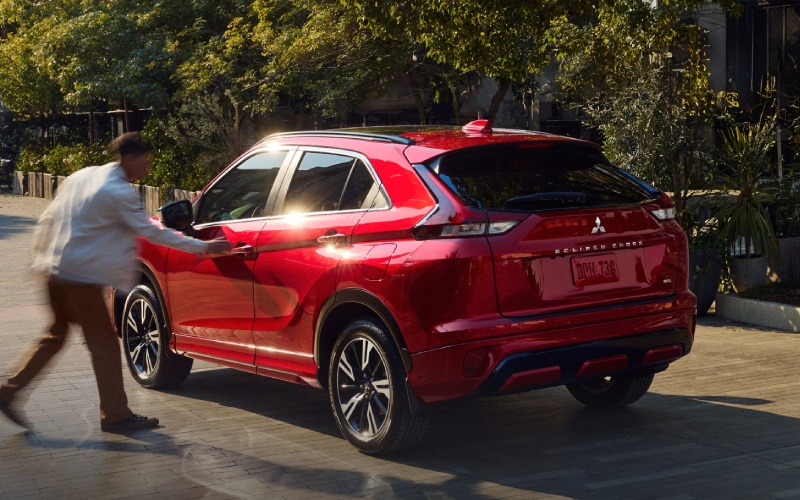
Matt Blatt Mitsubishi – Can the 2026 Mitsubishi Eclipse Cross tow a small trailer around Cherry Hill, NJ?
The 2026 Mitsubishi Eclipse Cross was engineered for real life in South Jersey, and that includes the occasional weekend haul or hobby trailer. If you are comparing compact SUVs near Cherry Hill, NJ and wondering whether the Eclipse Cross can tow what you actually need, the answer is straightforward: when properly equipped, Eclipse Cross is rated to tow up to 1,500 pounds. Below, we explain what that rating means in practical terms for local drivers, the gear you will want, and how features like standard Super-All Wheel Control (S-AWC) help when you are pulling a small load across Route 70, I-295, or over the Ben Franklin Bridge.
Eclipse Cross towing capacity explained
Mitsubishi equips every 2026 Eclipse Cross with a responsive 1.5L turbo engine, a smooth CVT, and standard Super-All Wheel Control (S-AWC). With the right hitch and wiring, Eclipse Cross can tow up to 1,500 pounds. That number represents the maximum trailer weight—so always add up the trailer plus everything on it. Staying within that limit, and keeping tongue weight in the typical 10 to 15 percent range, preserves stable handling and braking in busy Cherry Hill traffic and tight shopping-center lots.
Just as important, remember that payload (passengers and cargo in the SUV) also factors into safe towing. If you are loading up the rear cargo area with bags from Cherry Hill Mall or gear for a Shore day trip, balance your total load and give yourself room under the 1,500-pound towing cap.
What can you tow at 1,500 pounds?
For many area drivers, 1,500 pounds covers the everyday jobs you actually do—no overkill, just capability that fits your driveway and your lifestyle. Here are common, real-world examples.
- Utility trailer for home projects: A 4×8 or 5×8 open utility trailer loaded with mulch, pavers, or a snowblower comfortably fits within the rating when packed smart.
- Powersports: One or two dirt bikes or a single ATV on a lightweight trailer works well for Pine Barrens trail days.
- Water toys: A small aluminum fishing boat or a single personal watercraft on a bunk trailer can be within the limit for outings to nearby rivers or bays.
- Yard cleanup: A light landscape trailer for brush, branches, or seasonal yard waste runs to the county facility.
- Campus moves: A compact cargo trailer for dorm move-in or move-out on Route 38 or across the river for city apartments.
When you are close to the limit, distribute weight evenly front-to-back and side-to-side, secure the load with proper straps, and confirm tongue weight lands in that 10 to 15 percent window for stability.
The equipment you will want from our team
To tow with confidence, make sure your Eclipse Cross is set up correctly. Our factory-trained technicians at Matt Blatt Mitsubishi can install and test the right components so you are ready to roll before your first trip.
- Receiver hitch: A properly rated Class I/II 1.25-inch receiver matched to Eclipse Cross and the 1,500-pound limit.
- Wiring harness: A 4-pin flat connector for trailer running lights, turn signals, and brake lights, integrated to protect the vehicle’s electrical system.
- Ball mount and ball: A mount and 1-7/8-inch or 2-inch ball (as your trailer requires) with the correct drop or rise for a level tow setup.
- Safety chains and hardware: Quality chains, clips, and a coupler that latch securely under load.
- Towing mirrors (if needed): Clip-on extensions for better visibility along Route 70 or I-295 when your trailer is wider than the Eclipse Cross.
- Torque and maintenance: Verified torque specs on hitch bolts and ball mount, plus routine checks of trailer tires and bearings.
We will also walk you through a light check and hitching best practices, then answer any setup questions so your first run to the home center or storage unit goes smoothly.
Confidence features that help when you tow
Every 2026 Eclipse Cross includes Super-All Wheel Control (S-AWC), which manages driving and braking forces at all four wheels to help the SUV respond faithfully to your inputs. That extra layer of control is especially reassuring in wet weather or on patched pavement around Haddonfield Road and Route 73. S-AWC is not a substitute for careful driving, but it adds welcome poise when your trailer nudges the rear of the vehicle over bumps or lane seams.
Other features that support towing and maneuvering include available Blind Spot Warning (BSW) with Lane Change Assist (LCA) and Rear Cross Traffic Alert (RCTA) on SE and above, a Multi-View Camera System on SEL for easier hitch alignment and back-in parking, and Hill Start Assist (HSA) that helps prevent rollback on garage ramps or steep driveways. Forward Collision Mitigation (FCM) with Pedestrian Detection and Active Stability Control (ASC) provide additional peace of mind in stop-and-go traffic near the Cherry Hill Mall or on the Ben Franklin Bridge approach.
Inside, paddle shifters on SEL let you select stepped ratios in the CVT for more controlled deceleration on grades—useful when easing down to lights along Springdale Road or managing speed on riverfront ramps.
And because convenience matters on busy weekends, SE and SE Pano add Mitsubishi Connect with Safeguard And Remote Services And 24-Month Trial (Enrollment Required), so you can locate your Eclipse Cross and check status if your trailer is stored off-site.
Before you hitch up, a short routine makes a long trip easier. Keep this simple, repeatable checklist on your phone and review it before any tow—whether you are headed to a DIY project or a quick run to a storage locker.
- Confirm total trailer weight (including cargo) is at or below 1,500 pounds.
- Level the trailer: choose the right ball mount drop or rise so the frame sits parallel to the ground.
- Secure the coupler on the ball, latch it, and insert the safety pin or lock.
- Cross safety chains under the tongue, then attach them to the hitch loops with slack but not dragging.
- Plug in the 4-pin harness and test running lights, brake lights, and turn signals.
- Set trailer tire pressures and inspect tread; check the spare if equipped.
- Distribute cargo for 10 to 15 percent tongue weight and strap everything tightly.
- Adjust mirrors, plan a slightly longer stopping distance, and keep speeds moderate.
Local tips for Cherry Hill drivers
Plan your route to avoid tight turns where possible—using I-295 or Route 70 may be smoother than cutting through narrow neighborhood streets in Haddonfield. Allow extra room when merging from Route 38, and pick your fuel stops with trailer-friendly entrances. When parking at big-box stores along Route 70, pull through two spots or choose an end space so you can exit forward without sharp backing maneuvers. If rain moves in, S-AWC helps, but keep your following distance wide to account for the extra mass on the hitch.
If you are crossing the river into Philadelphia with a trailer, check the latest bridge advisories and give yourself time for lane changes—features like Blind Spot Warning (BSW) with Lane Change Assist (LCA) can help you judge gaps more confidently in city traffic.
Beyond day-to-day use, Eclipse Cross is supported by the Mitsubishi Motors Confidence Integrated Care Program. New models include an industry-leading 10-Year/100,000-Mile Powertrain Limited Warranty, 2-Year/30,000-Mile Limited Maintenance, and 5 years of 24-Hour Roadside Assistance. If you ever need help—like a jump-start after a long day at the jobsite—assistance is just a call away.
Frequently Asked Questions:
What is the towing capacity of the 2026 Mitsubishi Eclipse Cross?
When properly equipped, the 2026 Eclipse Cross is rated to tow up to 1,500 pounds. That figure includes the trailer and everything on it.
Do I need trailer brakes for a 1,500-pound trailer in New Jersey?
Many small trailers in this weight range do not have their own brakes. New Jersey requirements vary by trailer weight and configuration—check the latest NJMVC guidance. Regardless of regulations, stay within the 1,500-pound vehicle rating, load carefully, and keep speeds moderate for safe stopping.
What is the recommended tongue weight for Eclipse Cross?
A common guideline is 10 to 15 percent of total trailer weight—about 150 pounds at the 1,500-pound limit. Always consult your owner’s manual for specific limits and confirm your setup with our service team.
Which 2026 Eclipse Cross trims are best for towing?
All trims include Super-All Wheel Control (S-AWC). SE adds Blind Spot Warning (BSW) with Lane Change Assist (LCA) and Rear Cross Traffic Alert (RCTA), which is helpful when changing lanes with a trailer. SEL adds a Multi-View Camera System and paddle shifters that many customers appreciate for hitch alignment and grade control.
Will towing affect my warranty?
Towing within the stated rating and using proper, dealer-installed equipment will not, by itself, void coverage. Mitsubishi vehicles come with a 10-Year/100,000-Mile Powertrain Limited Warranty for original owners, plus 2-Year/30,000-Mile Limited Maintenance and 5 years of Roadside Assistance. For exact terms, ask our team to review details with you.
Ready to see how the 2026 Mitsubishi Eclipse Cross fits your towing needs around Cherry Hill, NJ? Visit us at Matt Blatt Mitsubishi in nearby Glassboro for a hands-on demo. We will help you choose the right trim, install the correct hitch and wiring, and walk you through a complete light and safety check—so your first tow is as smooth as your daily commute.
Request more 2026 Mitsubishi Eclipse Cross information
How much cargo space does the 2026 Mitsubishi Outlander Sport have near Sicklerville, NJ?
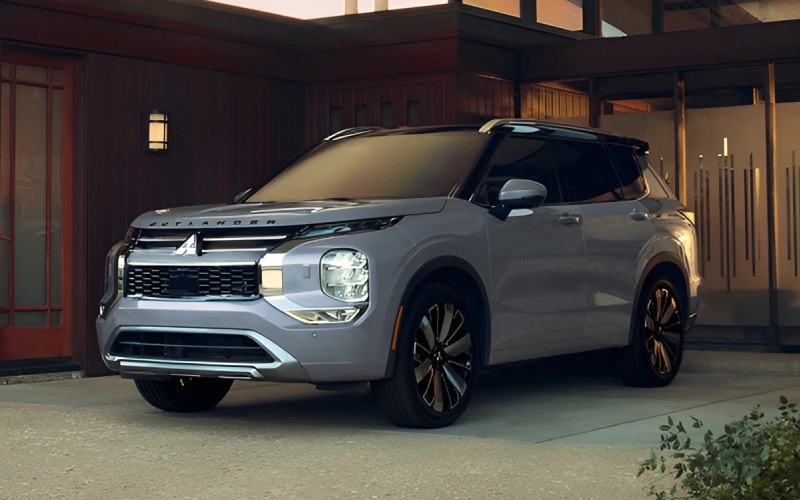
Matt Blatt Mitsubishi – How much cargo space does the 2026 Mitsubishi Outlander Sport have near Sicklerville, NJ?
If you are comparing small SUVs for errands along Cross Keys Road, school pick-ups, and weekend getaways down the Atlantic City Expressway, cargo room is one of the first checks on the list. At Matt Blatt Mitsubishi, we help shoppers from Sicklerville, NJ figure out whether the 2026 Mitsubishi Outlander Sport has the right mix of usable space and everyday practicality — not just numbers on a spec sheet, but room that actually fits strollers, groceries, sports gear, and the odd Home Depot run.
Below, we break down exactly how much space you get in the 2026 Outlander Sport, how the 60:40 rear seat works in real life, and which factory accessories maximize versatility. We also share tips based on what our local customers bring to test-fit at our Glassboro showroom, only about 20 minutes from Sicklerville.
Cargo space at a glance
The 2026 Outlander Sport makes the most of its compact footprint with smart packaging and easy-to-use seat folding. Here is what the numbers mean before you ever open the liftgate:
- Behind 2nd row: 21.7 cu. ft.
- Max cargo volume: 49.5 cu. ft.
- Rear seat split: 60:40 folding function
- Ground clearance: 8.5 in
- Turning circle: 34.8 ft
With 21.7 cubic feet behind the second row, you have enough room for a week’s groceries from the Turnersville warehouse store plus a compact stroller or a couple of team duffel bags. Fold the 60 side and the load bay opens up for longer items — think a set of skis headed to the Poconos or a collapsible push cart for your next round at Scotland Run — while still keeping a rear passenger belted in on the remaining seat.
When you need maximum flexibility, fold both seatbacks and you unlock up to 49.5 cubic feet behind the front seats. That is the setting our Sicklerville customers use for moves to and from nearby campuses, bulk garden supplies for spring planting, or bringing home flat-packed furniture. The liftgate opening is accommodating, and the 60:40 split is easy to manage when your hands are full.
What the space fits in real life
Specs are helpful, but day-to-day life is the real test. In our showroom test-fits and customer deliveries, here is how the Outlander Sport’s cargo area tends to play out for common South Jersey scenarios:
- Strollers and kid gear: Most compact or mid-size strollers load in with the second row up, leaving room for diaper bags and a week’s groceries. For a jogging stroller, folding the 40 side usually does the trick.
- Sports and rec: Two rolling baseball bags or hockey duffels fit behind the second row; add sticks or longer items by dropping the smaller seatback. Golf clubs typically ride diagonally with seats up; a cart bag plus push cart is easier with one seat folded.
- DIY supplies: A couple of storage bins, paint, and small tools slot neatly behind the second row; for lumber or oversized boxes, fold both seats to take advantage of the 49.5 cu. ft. capacity.
If you are not sure your exact gear will fit, bring it by. We are happy to roll a stroller, clubs, or storage bins right up to an Outlander Sport in our lot so you can see it for yourself before you decide.
Factory accessories that make cargo life easier
Mitsubishi Genuine Accessories help you tailor the Outlander Sport to your routine around Sicklerville — from protecting the cargo area to expanding what you can carry:
- Reversible Cargo Mat: Switch between carpeted and wipe-clean sides depending on the day’s haul.
- All-weather Cargo Tray: Shield the load floor from mud, mulch, or sandy beach gear.
- Cargo Management System: Keep grocery bags, bottles, and small boxes from sliding around.
- Cargo Net and Seat Back Net: Add vertical and floor-level organization for smaller items.
- Tonneau Cover: Conceal belongings under the rear hatch — handy at busy lots near Gloucester Premium Outlets.
- Blue Tailgate LED Light: Add helpful illumination when you are loading in the early morning or after late practices.
- Crossbars (with or without rails): Open up rooftop carrying for bulky items and free the cargo floor.
- Upright Mount Bike Carrier: Secure bikes on the roof — ideal for rides along the trails without wrestling with interior space.
- Ski and Snowboard Carrier: Keep wet gear up top and the cabin dry on winter trips.
Our parts and service teams can help you choose the right accessories for your trim and install them to factory standards, so you leave ready for the next run to Berlin-Cross Keys Road or down to the shore.
Confidence when loaded — how the rest of the SUV helps
It is not just about room — it is also about how the Outlander Sport behaves when you are carrying that room’s worth of cargo. All trims include All-Wheel Control (AWC) for balanced handling and stability, and the continuously variable transmission (CVT) delivers smooth response when you merge onto Route 42 with a full load. With EPA-estimated fuel economy of 23 city/29 highway/26 combined, you can pack it up without feeling it at the pump day after day.
Standard driver-assistance features support your focus when the hatch is full: Forward Collision Mitigation (FCM) with Pedestrian Detection, Lane Departure Warning (LDW), Automatic High Beam (AHB), Active Stability Control (ASC), Hill Start Assist (HSA), Rear Seat Alert, a Rearview Camera, and more. Rear Privacy Glass is also standard, which is a simple but valuable layer when you have valuables in back.
Inside, the 8.0″ Smartphone-Link Display Audio (SDA) with Apple CarPlay® and Android Auto makes errand-running easier — queue up directions, dictate a list, or check in with the team chat hands-free. Automatic Climate Control and front rain-sensing wipers keep the cabin calm while you focus on the next stop.
Adding peace of mind, Mitsubishi Motors Confidence backs your Outlander Sport with America’s Best-Backed Vehicles: a 10-year/100,000-mile Powertrain Limited Warranty, 2-year/30,000-mile Limited Maintenance, and 5 years of roadside assistance. That means fewer maintenance to-dos on your calendar while you are busy putting the cargo area to work.
Tips for using the space day to day
Small adjustments go a long way toward getting the most from a compact SUV’s cargo bay:
- Load heavy items first: Place them low and toward the seatbacks to keep weight forward and stable.
- Use the 60:40 split smartly: Fold only what you need to maintain a passenger spot when carpooling.
- Pack vertically with bins: Stackable totes prevent shifting and make unloading faster at home.
- Protect the floor: Add the All-weather Cargo Tray if you frequently haul sports, garden, or beach gear.
- Go up, not back: Install crossbars to move bikes or boards to the roof and keep rear visibility clear.
Following these simple habits maximizes both space and safety when you are darting between Sicklerville stops or heading out for the weekend.
Test-fit your life at Matt Blatt Mitsubishi
We invite you to bring your real-world gear to our Glassboro showroom — a couple of clubs, a stroller, or a set of storage bins — and we will open an Outlander Sport so you can try different seat configurations before you drive. If your schedule is tight, start with our Buy Online experience and we can coordinate an in-person test-fit when you pick up. And if it turns out the Outlander Sport is not the right match, our 4-Day Love It or Leave It Return Policy helps you shop with confidence.
From Sicklerville, it is a quick ride to 501 Delsea Dr N in Glassboro. Our team will walk you through trims, accessories, and how each choice can make your daily load-outs faster and easier. When you are ready, schedule a test drive and see how the 2026 Mitsubishi Outlander Sport fits your cargo, your routes, and your life.
Frequently Asked Questions:
Can a compact stroller fit with the rear seats up in the 2026 Outlander Sport?
Yes, in our test-fits most compact and many mid-size strollers load in with the second row upright, thanks to 21.7 cu. ft. of space behind the seats. For larger jogging strollers, folding the smaller 40 section usually creates the extra length you need. Bring your exact stroller by and we will try it together.
Will a set of golf clubs fit without folding the seats?
Typically, a standard golf bag fits diagonally across the cargo floor with the second row up. If you carry a cart bag plus a push cart, it is easier to fold the 40 side of the rear seat to keep the bag secure and maintain rear visibility.
Does All-Wheel Control (AWC) affect cargo space or how much I can carry?
AWC does not change the Outlander Sport’s interior cargo volume — you still have 21.7 cu. ft. behind the second row and up to 49.5 cu. ft. with the seats folded. For payload guidance, always consult the owner’s manual and avoid exceeding the vehicle’s ratings.
Are factory crossbars available even if my Outlander Sport does not have roof rails?
Yes. Mitsubishi offers Crossbars for trims without rails and a separate Crossbars option for trims with rails. Our parts team can help you pick the correct set and install them, so you can move bulky items to the roof and free up the cargo floor.
What accessories help keep the cargo area clean and organized?
We recommend the All-weather Cargo Tray for protection, the Reversible Cargo Mat for day-to-day flexibility, and the Cargo Management System or Cargo Net to keep bags in place. A Tonneau Cover helps conceal items in busy lots around Sicklerville, and the Seat Back Net adds vertical storage just behind the second row.
Request more 2026 Mitsubishi Outlander Sport information
How do I use the 2026 Mitsubishi Outlander kick-motion power liftgate in Philadelphia, PA?
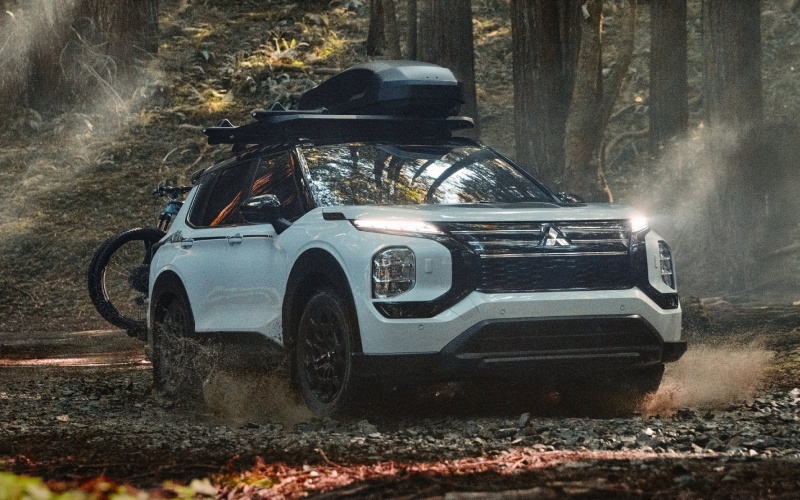
Matt Blatt Mitsubishi – How do I use the 2026 Mitsubishi Outlander kick-motion power liftgate in Philadelphia, PA?
Navigating rowhouse blocks, alley parking, and quick curbside pickups around Philadelphia means your SUV has to make loading fast and fuss-free. The available kick-motion sensor for the power rear liftgate on the 2026 Mitsubishi Outlander is designed for exactly that—so you can open the cargo area when your hands are full with groceries from Reading Terminal Market, a stroller at Dilworth Park, or gear for a game day near the stadiums. At Matt Blatt Mitsubishi, we help our Philadelphia and South Jersey drivers get the most out of this feature from day one. Here’s how it works, how to set it up, and how to make it second nature in the city.
What the feature is and where you’ll find it
The 2026 Outlander offers an available Power Liftgate with Adjustable Height, and on equipped models you can use a kick-motion sensor beneath the rear bumper to open it hands-free. You’ll need the FAST-Key close by—think in your pocket, bag, or hand—so the vehicle knows you’re authorized to open the liftgate even if it’s locked. Many SE and SEL configurations include the power liftgate from the factory, and select packages may add it to others. Our team will confirm availability on the exact trim you’re considering.
Here’s the key idea: the kick-motion sensor detects a simple forward-and-back movement of your foot under the center area of the rear bumper. No sweeping, no frantic waving. Just a quick, confident in-and-out motion and then step back while the Outlander does the work.
Step-by-step: hands-free opening and closing
Whether you’re parallel parked off South Street or loading up at a suburban shopping center in Cherry Hill, the steps are the same.
- Check your key: Make sure a FAST-Key is on you—within a couple of feet of the tailgate area.
- Stand centered: Face the rear bumper, stand about a foot away from it.
- Kick in and out: Move your foot straight under the bumper, then quickly back out. Aim for a smooth, one-second motion.
- Wait for feedback: Look for the hazard light flash or hear a chime that confirms detection.
- Step back: Give the liftgate clearance to power open.
- Load your cargo: Enjoy the tall opening and low load floor—great for boxes, coolers, and strollers.
- Close with a kick: Repeat the same motion to close, or press the power liftgate button on the gate itself.
- Use the key fob if you prefer: You can also open or close the liftgate via the key fob button or interior switch.
Once you’ve tried it a few times, the motion becomes automatic—especially handy when you’re juggling a coffee and a couple of bags and do not want to set anything down on a wet curb.
Quick troubleshooting tips for tight Philly streets
If the liftgate does not respond, one of these simple checks usually solves it:
- Proximity: Make sure the FAST-Key is on you and near the rear of the vehicle.
- Motion: Use a straight, single kick, not a slow sweep or side-to-side motion.
- Position: Center your foot near the middle of the bumper rather than far left or right.
- Obstructions: Car washes, heavy mud, packed snow, or a hitch-mounted accessory can block the sensor area.
- Clearance: Make sure there’s enough room behind the Outlander for the liftgate to swing up without hitting a wall, garage door, or another vehicle.
- Try the fob: If hands-free still does not trigger, confirm operation by opening with the key fob or the cabin switch—then re-try the kick motion.
Installing a bike rack or hitch accessory for weekend rides along the Schuylkill River Trail? The sensor can still work, but you may need to move your foot slightly closer to the open area beneath the bumper. Ask our team to demonstrate with your accessory in place.
How to set and remember liftgate height
Low carports, older garage doors, and city parking structures can be tight. The Outlander’s Power Liftgate with Adjustable Height lets you set a custom stop point so the gate does not tap an overhead obstacle.
- Open the liftgate: Use the kick motion, the key fob, or the interior switch.
- Manually position: Gently move the liftgate to your preferred height.
- Press and hold: On the liftgate, press and hold the power close button until you hear a confirmation chime.
- Test it: Close and reopen to confirm the new height setting is saved.
It is an ideal tweak if your home garage sits a bit lower than the standard opening height or if you regularly load up under a parking structure near Center City.
Other ways to open and close the liftgate
Hands-free is great, but you have options depending on the situation:
- Key fob: Press and hold the liftgate button to open or close.
- Cabin switch: Use the interior control for easy operation from the driver’s seat.
- Liftgate button: Press the button on the gate itself to power close once you’re finished loading.
For family drop-offs and daily runs to practices in University City or the Main Line, these alternatives give you quick control in any setting.
Smart safety habits for city and suburban life
As with any power liftgate, a quick check around the vehicle is wise. Make sure kids, pets, and passersby are clear of the rear area before opening or closing. If you routinely back into tight spots on narrow streets, program a lower height and keep an eye on overhead branches or garage hardware. If the system detects resistance, it is designed to stop—still, a brief visual check is your best first line of safety.
While you are exploring features, take a moment to experience Outlander’s driver-assistance tech that fits city life, including Rear Automatic Emergency Braking (Rear AEB), Rear Cross Traffic Alert (RCTA), Blind Spot Warning (BSW) with Lane Change Assist (LCA), and the helpful Multi-View Camera System available on higher trims. Parallel parking near Rittenhouse or Old City feels a lot simpler with a top-down view.
And if you want confidence when weather turns or you head out to the Shore, available Super All-Wheel Control (S-AWC) with drive modes like Gravel, Snow, and Eco helps the Outlander feel composed across everyday conditions.
Inside, available Dynamic Sound Yamaha® audio can turn errands into a mini concert, while Wireless Apple CarPlay® and Wireless Google Android Auto® keep your route and playlists close at hand. If you would like a side-by-side comparison of Yamaha® Premium vs. Ultimate systems, we are happy to demo both in our showroom.
Ownership peace of mind matters, too. Every new Mitsubishi comes backed by America’s Best-Backed Vehicles, including a 10-year/100,000-mile Powertrain Limited Warranty, 2-Year/30,000-Mile Limited Maintenance, and 5 years of roadside assistance. It is a strong fit for busy households that do not want to think twice about long-term coverage.
Curious which 2026 Outlander trims near Philadelphia include the power liftgate with kick-motion sensor? Our team at Matt Blatt Mitsubishi will walk you through SE, SEL, and package options, and we will demonstrate the hands-free operation so you can try it for yourself—bags in hand—before you buy.
We are minutes from the Walt Whitman and Ben Franklin Bridges at 501 Delsea Dr N, Glassboro, NJ. Stop in, schedule a test drive, or start your purchase online. We are here to make each step easy—from trade appraisal to fast financing—and our 4-Day Love It or Leave It Return Policy adds extra confidence.
Frequently Asked Questions:
Does every 2026 Outlander include the kick-motion power liftgate?
No. The Power Liftgate with Adjustable Height is standard or available on select trims and packages. The kick-motion sensor is included when the vehicle is equipped with the compatible power liftgate. We will confirm feature availability on the exact Outlander you choose.
Will the hands-free liftgate work if the vehicle is locked?
Yes, as long as a FAST-Key is within range near the rear of the vehicle. The system verifies the key and then powers the liftgate open when it detects a proper kick motion.
Do I need to kick hard to activate it?
No. A simple forward-and-back motion under the center of the rear bumper is best. Avoid side-to-side sweeping, and step back once you see the lights flash or hear the chime.
Can a tow hitch or bike rack affect the sensor?
Hitch hardware or rack mounts can reduce the detection area. The feature can still work, but you may need to position your foot closer to an open section beneath the bumper. We are happy to test it with your accessory installed.
How do I disable or adjust the feature?
You can set a custom opening height using the power button on the liftgate. To temporarily avoid hands-free activation, you can rely on the key fob or interior switch only. Feature settings may be available in the center display—check your owner’s manual or ask our team to walk you through the menus.
What if the liftgate stops mid-motion?
The system may have detected resistance or an obstruction. Clear the area, then use the key fob, interior switch, or liftgate button to resume operation. If the issue persists, our factory-trained service team can inspect the system.
If you would like a live demo of the kick-motion power liftgate—or to compare Outlander trims side by side—visit Matt Blatt Mitsubishi near Philadelphia or contact us to schedule a test drive. We will show you how to make everyday loading quicker, safer, and easier in the 2026 Mitsubishi Outlander.
Request more 2026 Mitsubishi Outlander information
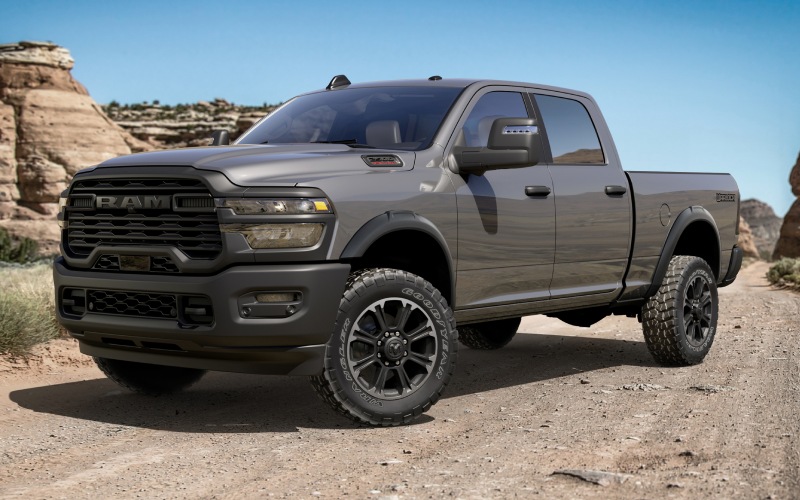
Matt Blatt Mitsubishi – RAM vs GMC – A Practical Used Truck and SUV Guide for Cherry Hill, NJ Drivers
Choosing between used RAM and used GMC vehicles starts with an honest look at your daily routine. Cherry Hill streets, I-295 interchanges, and weekend loops down Route 70 all demand different strengths. If you split the week between office commutes and home projects, you will want a blend of ride comfort, interior storage, and towing confidence. Both brands deliver, but they do so with slightly different personalities and feature sets that can tip the scales.
Think about your longest regular drive first. If your commute crosses the Ben Franklin Bridge, a calmer ride makes a difference. Many RAM 1500 models use coil-spring rear suspension or available air suspension to smooth expansion joints and patched pavement. GMC, especially in Denali or AT4 trims, leans heavily into quiet cabins, supportive seats, and tasteful trim that lowers fatigue on longer slogs.
Which Size Actually Fits Your Life?
Garage height, driveway slope, and turning radius matter more than spec sheet bragging rights. A RAM 1500 crew cab is family friendly, but a GMC Canyon parks more easily at crowded shopping centers off Haddonfield Road. If you regularly haul four-by-eight sheets, prioritize a longer bed; if you mostly carry sports gear plus two kids, a two-row GMC Acadia or RAM 1500 with a covered bed can be perfect.
Trailering changes the conversation. The moment you plan to tow a camper to Wharton State Forest or a boat toward the Shore, focus on torque, axle ratios, cooling, and integrated trailer-brake controllers. RAM 2500/3500 and GMC Sierra HD trucks thrive here, but well-equipped half-tons from either brand handle moderate weekend loads with the right package.
Tech, Tailgates, and Storage That Save Time
Small conveniences add up on Route 70 or while circling for a spot at the Cherry Hill Mall. RAM’s available multifunction tailgate and in-bed storage solutions simplify loading, while GMC’s MultiPro tailgate offers clever steps and work surfaces. Inside, look for crisp infotainment, easy smartphone projection, and 360-degree or split-view cameras that take stress out of parking garages.
Cabin storage is a tiebreaker too. Under-seat bins, wide door pockets, and configurable consoles keep work gloves, tablets, and water bottles organized. Sit in both, test the cupholders with your favorite travel mug, and check child-seat latch access if you have a growing family.
Cost of Ownership: Where Value Hides
Price is just the start. Estimate insurance, tires, and scheduled maintenance. Trucks running larger all-terrain tires may face higher replacement costs, and heavy-duty brakes or diesel filters add line items over time. On the flip side, a diesel used for the right job can deliver excellent durability and towing ease. Look for documented service—transmission fluid intervals, coolant changes, and brake maintenance—especially if the truck towed frequently.
Fuel economy is about duty cycle as much as ratings. If you drive stop-and-go through neighborhood lights, a lighter-configured half-ton or midsize pickup can yield happier numbers than a lifted HD setup. For three-row needs without towing, GMC Acadia balances space and efficiency better than most full-size SUVs.
Road Test Like You Own It
Build a route that mirrors your week. Include a highway merge, a rougher side street, a tight parking maneuver, and a five-minute cruise at steady speed. Listen for wind noise, feel how the transmission shifts under light and moderate throttle, and try the driver-assistance features—adaptive cruise, lane support, and blind-spot monitoring—if equipped. Bring your actual gear to confirm it fits without a game of Tetris.
When you return, pop the hood and look for signs of leaks. Scan the bed for dents or wrinkled metal that can hint at heavy loads. Under the hitch, check for excessive rust and wear. A clean CARFAX paired with a sensible visual inspection builds confidence quickly.
Key Use-Case Matchups
- Family-first daily driver: GMC Acadia or RAM 1500 crew cab with driver-assist features for school runs and weekend errands.
- Contractor or serious hauler: RAM 2500/3500 or GMC Sierra HD with diesel torque, tow package, and integrated trailer-brake controller.
- Urban-friendly versatility: GMC Canyon for nimble parking and light towing without full-size footprint.
- Long-mile commuter: RAM 1500 with coil or air suspension, or GMC Denali trims emphasizing cabin quiet and supportive seating.
- Garage-fit wildcard: Measure height and depth—sometimes a shorter-bed RAM 1500 or a two-row GMC SUV solves tight clearances.
Financing and trade-in details also matter. A strong lender network can tailor approvals to your credit profile, and a transparent, data-backed trade process keeps the math clean. If your schedule is packed, online checkout lets you lock in the vehicle and finish paperwork while saving an in-person visit for the test drive alone.
Service support is the final piece. Factory-trained technicians, genuine parts, and easy scheduling keep a used truck or SUV feeling new longer. Whether you wrench on weekends or prefer professional care, align your maintenance plan with your mileage and towing frequency.
Frequently Asked Questions:
Is a half-ton enough for towing a 20-foot boat?
Often yes, with the right engine, axle ratio, and tow package. Confirm weight, tongue load, and braking capacity, and keep safety margins in mind.
Do I need four-wheel drive for Cherry Hill winters?
Four-wheel or all-wheel drive adds traction on slick days and grassy launch ramps. If you rarely face poor conditions, good tires on a 2WD can suffice, but AWD/4WD increases confidence.
Which is quieter on the highway, RAM or GMC?
It varies by trim. RAM’s ride tuning is excellent; GMC’s Denali models prioritize cabin isolation. Drive both at 65 mph to judge wind and road noise on your route.
Are diesel trucks worth it if I do low annual mileage?
Diesels shine under load and for long highway miles. If you tow rarely and drive short trips, a gas V8 or turbo gas setup can be simpler and cost-effective.
How many miles is too many on a used HD truck?
Condition and maintenance matter more than mileage alone. A clean history, consistent fluid changes, and healthy compression or emissions systems can outweigh the odometer number.
When you are ready to compare favorites, our team is here, serving Cherry Hill, Deptford, and Mount Laurel with clear guidance and an easy test-drive plan. You can browse, finance, and even start paperwork online with Matt Blatt Mitsubishi, then take a thorough drive that mirrors your daily routine.
Request more information
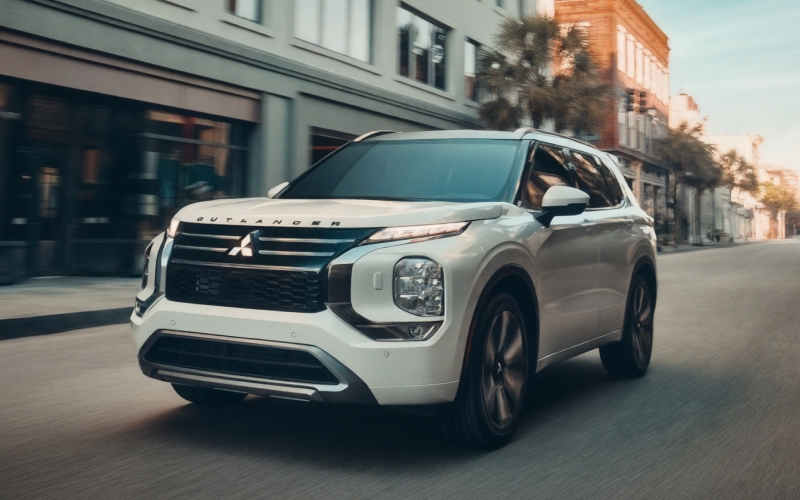
Matt Blatt Mitsubishi – Tech-Savvy Used Cars for Everyday Confidence around Cherry Hill, NJ
Used-car shoppers have more choices than ever—and more tech to evaluate. The upside is clear: today’s pre-owned crossovers, sedans, and trucks deliver advanced safety, seamless smartphone integration, and ride comfort once reserved for luxury brands. Around Cherry Hill, NJ, a smart match of model year, trim, and features can simplify commutes on Route 70, help with tight parking near the PATCO stations, and keep family trips relaxed on I-295.
Start with a quick timeline. CarPlay and Android Auto arrive broadly by 2017-2019 across popular models, while automatic emergency braking and blind-spot warning become standard or widely available for many 2019-2021 trims. If you value quieter cabins and crisp displays, 2020-2022 refreshes raise the bar with better insulation, larger touchscreens, and improved camera resolution. For all-weather assurance, look for brand-specific AWD systems and pair them with quality all-season or all-weather tires.
Safety and Driver Assistance That Matter Daily
For Cherry Hill’s busy arterials and on-ramps, you will notice the difference with adaptive cruise, lane-keeping support, and rear cross-traffic alert. Toyota Safety Sense, Honda Sensing, Ford Co-Pilot360, and Nissan ProPILOT Assist vary by trim, so verify the exact package. On test drives, use familiar routes, practice lane changes at speed, and confirm camera clarity in shaded parking lots and after dark.
Do not forget headlight performance and wiper coverage—both affect confidence when evening commutes and highway spray converge. If parallel parking is part of your routine, a surround-view camera or enhanced rear camera gridlines can save time and reduce stress.
Infotainment, Comfort, and Everyday Usability
Infotainment should be quick, obvious, and reliable. Test smartphone pairing, voice commands, and audio quality at highway speed. Check charging options—USB-A, USB-C, and wireless pads—and verify that steering-wheel buttons control what you need most. Small details such as seat height, door openings, and liftgate reach matter for school runs and grocery days.
Cabin materials, road-noise tuning, and suspension compliance improved notably for 2019-2022 in many mainstream models. If you found last decade’s compacts too firm or loud, newer used examples may be pleasantly refined for your Route 38 or I-295 commute.
Popular Used Models and What to Target
- Honda Civic 2016-2021: CarPlay from 2016 EX+, calmer highway demeanor, expanded Honda Sensing from 2019.
- Toyota RAV4 2019-2021: Standard Toyota Safety Sense, upright seating, helpful cargo layout for weekend errands.
- Nissan Rogue 2018-2021: Available ProPILOT Assist, quiet ride, surround-view camera on upper trims.
- Ford Escape 2020-2022: Larger screens, improved ride, available Co-Pilot360 with blind-spot and cross-traffic alerts.
- Chevrolet Equinox 2018-2021: Straightforward controls, CarPlay/Android Auto, strong value on safety-equipped trims.
- Subaru Forester 2019-2021: Standard EyeSight driver assist, excellent visibility, confident AWD.
Decide early which must-haves you want—adaptive cruise, a power liftgate, heated seats, or AWD—and skip trims that will not deliver. This narrows your list and prevents overpaying for features you will rarely use.
How We Simplify the Process
Our process is built around control and clarity. Start with a free vehicle history report, then compare trims side by side. Use digital tools to estimate payments and value your trade in minutes. If you need flexibility, our support team can walk you through online checkout and available home delivery so your schedule stays intact.
Inspection quality matters. Look for comprehensive multi-point checks, verification of safety equipment functionality, and up-to-date maintenance. Warranty options and certified programs can add meaningful protection if you plan to keep your vehicle for several years and many miles.
Frequently Asked Questions:
Which model years should I target for standard safety features?
Many mainstream models made automatic emergency braking standard or widely available by 2019, with blind-spot monitoring and lane-keeping following on popular trims.
How important is Apple CarPlay or Android Auto in a used car?
It keeps your phone in your pocket and your focus on the road, delivering reliable navigation, music, and calls with consistent voice control and familiar apps.
Are AWD systems worth it for suburban South Jersey driving?
AWD boosts traction on wet leaves, gravel, and uneven surfaces. Pair it with quality tires for the biggest confidence gains in year-round conditions.
What should I test on a short drive?
Camera clarity, headlight aim, adaptive cruise smoothness, smartphone pairing speed, brake feel in stop-and-go, and ride comfort over patched pavement or expansion joints.
Can I complete the purchase remotely?
Yes—use digital trade, approval, and checkout tools to finish paperwork from home, then arrange pickup or available delivery on your schedule.
Matt Blatt Mitsubishi supports informed, comfortable decisions with transparent information and easy digital steps. If you are comparing models serving Cherry Hill, Deptford, and Mount Laurel, align the features here with your routes and routines. The right tech, trim, and year can pay you back in everyday calm, from school drop-offs to evening commutes.
Request more information
Matt Blatt Mitsubishi – Used vs New Mitsubishi — A Practical Playbook for Families around Cherry Hill, NJ
Choosing between a used, Certified Pre-Owned (CPO), or brand-new Mitsubishi can feel complicated until you align the decision with your everyday life around Cherry Hill. Think about your parking reality, the mix of Route 70 and I-295 driving, and how often you load up for youth sports, grocery runs, or a quick day trip to the Shore. This playbook breaks down what truly matters—coverage, tech, budget, and peace of mind—so you can pick the Mitsubishi that fits your week, not just your weekend.
Start with your non-negotiables
Make a short list of must-haves. If you need top-tier driver-assistance, wireless smartphone integration, and the quietest cabin, a brand-new Mitsubishi puts the latest features at your fingertips. If you value verified condition and warranty assurance without paying for the very newest tech, CPO narrows the gap. Standard used expands your choices and can deliver the most budget flexibility while still checking your feature boxes.
- Warranty confidence: New maximizes coverage; CPO preserves strong warranty alignment; used varies and can be paired with optional protection.
- Upfront maintenance: New models may include limited maintenance; CPO and used depend on prior records plus your service plan.
- Safety and tech: New leads with the latest ADAS and infotainment; CPO is often close behind; used offers value-rich configurations.
- Financing path: New and CPO often qualify for compelling terms; used taps a wide lender network for tailored approvals.
- Return safeguards: Policies that support a short trial window add confidence to any choice.
Now weigh those priorities against your commute and weekend plans. If your routes include tight on-ramps and frequent merges along I-295, the Eclipse Cross offers a nimble footprint with available Super All-Wheel Control (S-AWC). Need three rows for carpool duty? The Outlander is a family anchor with available S-AWC and a comfortable, tech-forward cabin. If parking off Haddonfield Road is your daily ritual, the Outlander Sport or Mirage keeps things simple, maneuverable, and efficient.
How CPO Mitsubishi bridges new and used
Many shoppers land on CPO as the “right-size” answer. With a 123-point inspection by certified technicians, CPO Mitsubishis verify condition at a level most private sellers cannot match. You also benefit from strong warranty coverage aligned with the original in-service date. Late-model CPO inventory often retains sought-after features—modern driver assistance, smartphone connectivity, and active safety—while offering meaningful savings over brand-new. If you want assurance without overextending, CPO is a savvy middle ground.
Standard used, meanwhile, unlocks the broadest selection of trims, packages, and mileages. This is where you can zero in on value and pay for the features you truly use. Free vehicle history reports and transparent, data-driven pricing help you judge condition and market fit up front. Pair a used pick with a sensible maintenance plan, and you can own confidently for years.
Smart, time-saving steps before you test-drive
- Shortlist two or three Mitsubishis that match your daily miles, parking realities, and cargo needs.
- Use online tools to review history reports, confirm must-have features, and check estimated trade value.
- Apply for financing to understand your approval range, then schedule back-to-back test drives.
- Drive familiar routes—Route 70 stop-and-go, I-295 cruising, and a few tight parking maneuvers.
- Evaluate ride comfort, visibility, driver-assistance behavior, and infotainment ease-of-use.
Testing these details on your actual roads reveals the differences quickly. For example, S-AWC can add confidence when lanes narrow or pavement changes across interchanges, and proper seating support makes school pickups and late-evening drives less tiring.
Frequently Asked Questions:
Is a new Mitsubishi always the safest choice?
New models feature the very latest safety and driver-assistance systems. However, late-model CPO and many used Mitsubishis also include robust active-safety suites. Compare specific features by year and trim rather than assuming new is your only path.
What makes a CPO Mitsubishi different from a standard used vehicle?
CPO vehicles undergo a 123-point inspection, meet strict eligibility standards, and carry strong warranty alignment based on the original in-service date. Standard used vehicles expand your selection and can deliver compelling value with transparent history reports.
How should I budget for ownership beyond the payment?
Factor routine maintenance, tires, and insurance. New models may include limited maintenance; with used, consider a service plan and appropriate protection coverage. Your test-drive should also assess comfort and visibility—two overlooked factors that reduce fatigue and long-term wear.
Which Mitsubishi fits a family that carpools and still parks in tight garages?
The Outlander balances three-row flexibility with a refined cabin, while the Outlander Sport’s footprint can make garage life easier. The Eclipse Cross sits in the middle with nimble size and available S-AWC for confidence in varied conditions.
What’s the best way to compare multiple vehicles efficiently?
Line up back-to-back test drives of your top two or three choices on the same routes. Take quick notes on ride quality, tech ease, cargo loading, and how the driver-assistance systems behave at typical Cherry Hill traffic speeds.
When you are ready to make a decision, keep the process clear and simple—lean on online approvals, schedule tight test-drive windows, and bring your short list. Matt Blatt Mitsubishi is serving Cherry Hill, Deptford, and Mount Laurel with a customer-first process that makes comparing used, CPO, and new options straightforward. With one visit, you can drive the trims back-to-back, review history reports, and map out a practical service plan that fits your mileage and driving style.
If you prefer to start from home, complete most steps online—trade valuation, credit application, and vehicle selection—then reserve a focused in-person drive on the exact models you are considering. That way, your visit is all feel and fit. When it comes together, the right Mitsubishi should feel easy to live with on Route 70, calm at I-295 speeds, and stress-free to park near your go-to spots. Follow the playbook, and the best choice will stand out quickly.
Request more information
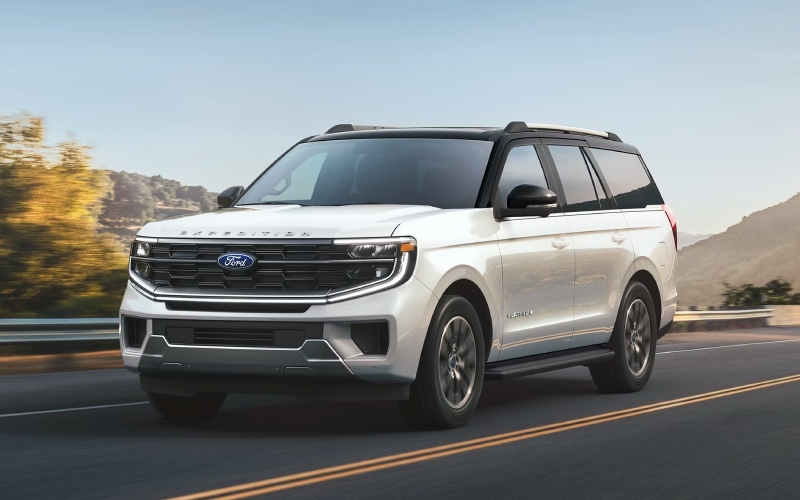
Matt Blatt Mitsubishi – How used Ford SUVs fit daily life around Cherry Hill, NJ
When your week stretches from early morning drop-offs to late practices and weekend getaways, the right used Ford SUV can make everything feel easier. Ford’s hallmark strengths—smart infotainment, practical interiors, confident safety tech, and flexible powertrains—translate especially well in pre-owned models. If you’re navigating Haddonfield Road, hopping onto Route 70, or pacing the flow on I-295, you want a cabin that’s quiet, seats that remain supportive, and driver-assist systems that take the edge off busy traffic. That’s where many Escape and Explorer models shine with SYNC, Ford Co-Pilot360, and available AWD for all-weather confidence.
Why used Ford SUVs are a smart play for Cherry Hill families
Consistency matters. Ford engineers for everyday use—door openings that make kid seats simple, cargo floors that sit low for easy loading, and technology that’s straightforward to operate. Many models include Apple CarPlay and Android Auto, a Rear View Camera, BLIS (Blind Spot Information System) with Cross-Traffic Alert, and Lane-Keeping System. Need room for gear or groceries? Split-fold second rows and hands-free, foot-activated liftgates can turn a busy Target run into a one-trip victory. And because the Ford lineup is broad, you can tailor your choice: Escape for nimble efficiency, Edge for extra highway composure, or Explorer for three-row flexibility without going full-size.
Performance is equally practical. EcoBoost engines deliver strong torque without feeling thirsty, while modern transmissions help keep revs low at highway speeds. If you’re towing a small trailer to Cooper River Park or packing for a long weekend, power is there when you ask for it. Many models include selectable drive modes to optimize traction and throttle response, which is useful in rainy weather or on unplowed side streets. And if the school run includes errand hopping and parking deck spirals, Electric Power-Assisted Steering makes tight maneuvers surprisingly easy.
Popular picks to consider
- Escape: Agile footprint, generous cargo options, available Hybrid power, and SYNC with smartphone integration for an easy tech routine.
- Explorer: Three-row space, available Terrain Management System, and family-friendly features like easy-access LATCH anchors and rear climate controls.
- Edge: Quiet, composed highway ride with confident passing power and a roomy second row that fits real adults comfortably.
- F-150: If your weekends call for towing or projects, the bed, tie-downs, and available Pro Trailer Backup Assist keep tasks under control.
These choices share a Ford DNA that values ergonomic simplicity and real-world durability. Interiors wear nicely, controls are logically placed, and driver-assist features reduce fatigue on long drives to the Shore or quick runs to the market.
What to look for in a used Ford SUV
Start with the basics: a clean history report, consistent maintenance records, and a comprehensive inspection. From there, think about your everyday routine. If parallel parking and tight lots are constant, make a Rear View Camera and parking sensors a priority. If you’re shuttling a full crew, test third-row access and cargo depth with the seats up. For commuters, Adaptive Cruise Control with Stop-and-Go can be a day-changer on the morning slog. And for households juggling different drivers, MyKey settings help set sensible limits for newer motorists without turning every outing into a lecture.
- Set your priorities: List daily must-haves like AWD, Apple CarPlay, a power liftgate, or a specific seating configuration.
- Check key systems: Test SYNC responsiveness, confirm driver-assist alerts display clearly, and pair a phone to ensure Bluetooth is seamless.
- Evaluate cargo flexibility: Fold seats, load a stroller or sports bag, and make sure the floor height is manageable for you.
- Drive familiar roads: Replicate your commute route style—merges, stop-and-go, and a highway stint—to feel ride and noise levels.
- Verify towing features: If towing matters, look for hitch equipment, 4/7-pin wiring, and features like Trailer Sway Control.
These steps keep the focus on your lifestyle rather than a spec-sheet race. The right used Ford should make daily tasks disappear into the background so the drive just works.
Frequently Asked Questions:
How reliable are used Ford SUVs for daily commuting?
Ford’s broad parts availability, solid chassis tuning, and widely trained service networks contribute to dependable daily use. Many models include proven EcoBoost engines and transmissions designed for efficient highway cruising.
What driver-assist features should I prioritize?
Look for Ford Co-Pilot360 technologies such as Pre-Collision Assist with Automatic Emergency Braking, BLIS with Cross-Traffic Alert, Lane-Keeping System, and a Rear View Camera. Adaptive Cruise Control with Stop-and-Go is a strong upgrade for corridor traffic.
Is AWD worth it for South Jersey driving?
AWD can boost traction on wet roads and through seasonal weather. For families who split time between town and highway, AWD provides added peace of mind without complicating daily driving.
Can I update SYNC on a used Ford?
Many SYNC systems accept over-the-air or USB updates. Confirm the current software version during your test drive and ask the dealership to help ensure your system is current.
Which used Ford SUV has the best cargo versatility?
Escape and Edge offer low load floors and simple seat-folding, while Explorer adds three rows and more total configurations for passengers and gear.
When you’re ready to zero in on a great match, start online to compare features, review Free CARFAX reports, and plan a visit to confirm the fit in person. A quick test of SYNC responsiveness, seat comfort, and visibility can surface the winner faster than you think.
Our team is committed to making the process clear and supportive—offering guidance on features, walkarounds on the lot, and smooth steps from trade appraisal to paperwork. You stay in control the whole way, and your questions drive the pace. We’re here to help you choose confidently and drive home happy.
Matt Blatt Mitsubishi is serving Cherry Hill, Deptford, and Mount Laurel with a thoughtful selection of used Ford SUVs and a friendly, consultative approach. Whether you want a quick online start or an in-person deep dive, we’ll help you pinpoint the features that matter most to your family’s routine.
If this is your first time buying pre-owned or you’re returning after a long lease, rest easy—our process is built around transparency, from the Free CARFAX report to test-drive checklists and trade-in evaluations. That way, the decision you make today continues to feel right months and miles from now.
Request more information
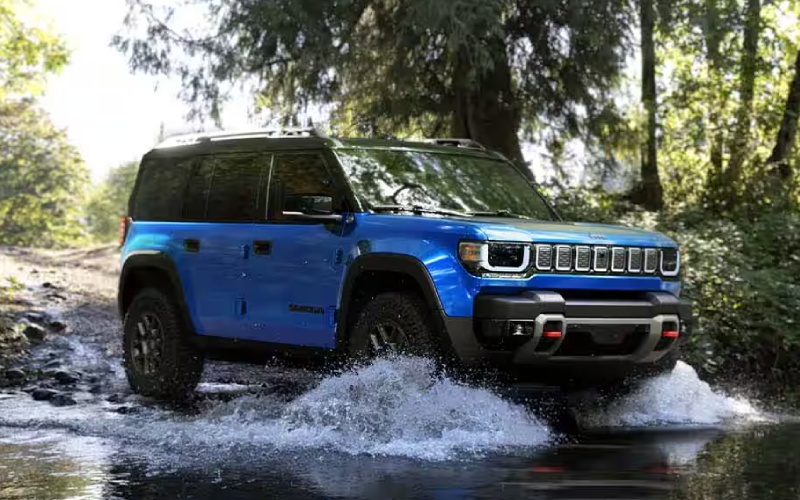
Matt Blatt Mitsubishi – Why a used Jeep makes sense for Cherry Hill, NJ commuters and weekend explorers
When you live in South Jersey, your vehicle has to do a bit of everything—join the morning flow toward the bridges, navigate tight shopping centers, and still be ready for a quick trip down to the Pines or the waterfront. That is why a used Jeep strikes such a smart balance for Cherry Hill, NJ drivers. You get proven 4×4 hardware for rougher stretches and dependable comfort for the daily drive, all wrapped in an SUV that holds its own style for years. If you are weighing options online, this guide breaks down two make-or-break topics—Jeep 4×4 systems and cabin tech—so you can shop with clarity.
Decoding Jeep 4×4 systems in plain language
Jeep’s reputation starts underneath, and understanding the common 4×4 systems helps you match performance to your routine. Command-Trac, often found on Wrangler, is a part-time system you can engage when you need grip. Selec-Trac, available across several models, adds an Auto mode that smartly shuffles torque to all four wheels—great for those surprise downpours on Route 70 or patchy surfaces near parking garages. Quadra-Trac I is a full-time system tuned for all-weather ease, while Quadra-Trac II layers in a two-speed transfer case for more demanding conditions. If your weekends involve sandy access roads near the shore or the occasional rutted trail, Quadra-Drive II with a rear Electronic Limited-Slip Differential brings premium traction management that helps keep you moving when one wheel is unloaded.
Many modern Jeeps also include Selec-Terrain, a simple dial that optimizes throttle, shift mapping, and stability control for Snow, Sand, Mud, or Rock. On a drizzly commute across I-295, leaving it in Auto lets the vehicle handle the micro-adjustments. When you venture out on gravel or boat ramps, selecting the relevant mode gives you extra confidence without extra thinking. The big takeaway—there is no single “best” 4×4 system. There is the system that fits how and where you drive most.
The tech inside: Uconnect, connectivity, and daily comfort
Cabin technology can make or break how much you enjoy a vehicle each day, and Uconnect has earned its reputation as one of the most user-friendly systems available. Menus are clean, responsiveness is quick, and Bluetooth pairing is straightforward—ideal when you are toggling between a work call and your favorite station at a red light on Haddonfield Road. Many models include Apple CarPlay and Android Auto, so your maps, messages, and playlists live right on the screen. If audio quality matters, look for available Alpine Premium Audio or, in select models, McIntosh systems that deliver crisp, rich sound at highway speeds.
Comfort features that move the needle on daily livability include heated front seats, a heated steering wheel, Dual-Zone Automatic Temperature Control, and a power liftgate. Wrangler leans into durability with washable surfaces and drain plugs, while Cherokee and Grand Cherokee often add soft-touch materials and extra sound deadening for a calmer cabin. If you are hauling kids or gear, split-fold rear seats and low load floors make cargo transitions quick. Small touches—like deep door bins, covered storage in the center console, and rear-seat vents—turn a hectic schedule into a manageable one.
What to look for when you shop online
Browsing from home can be efficient if you zero in on the right signals in each listing. Go beyond the photos and skim the features list for key terms that align with your needs—Command-Trac or Selec-Terrain for traction, Uconnect with Apple CarPlay for connectivity, Blind Spot Monitoring for busy side streets, or ParkSense Rear Park Assist System for tight parallel spots.
- Check for detailed photos of the interior and cargo area
- Look for mention of maintenance history and any recent services
- Verify tire condition and even wear across all four corners
- Confirm the presence of 4×4 system and any drive modes
- Review safety features like Forward Collision Warning with Active Braking
A thorough listing with these points covered helps you compare apples to apples. You will quickly see which vehicles match the features you actually want instead of just the ones that photograph well.
Frequently Asked Questions:
Are used Jeep vehicles reliable for daily commuting and occasional off-road use?
Yes. The combination of robust 4×4 systems, well-tuned suspensions, and durable interiors means a properly maintained Jeep can handle weekday miles and weekend adventures. Focus on vehicles with clear maintenance records and features that match your driving environment.
Which used Jeep models are best for families?
Grand Cherokee offers an excellent blend of space, comfort, advanced safety features, and towing capability. Cherokee and Compass deliver strong value and maneuverability for suburban errands. Wrangler is family-friendly too if you want open-air fun, but consider a hardtop for quieter highway trips.
Do I need Quadra-Drive II if I do not plan to off-road?
No. Quadra-Drive II excels off pavement, but Selec-Trac or Quadra-Trac I/II are more than capable for all-weather commuting and occasional soft-road use. Choose the system that aligns with your most common driving scenarios.
Is Uconnect easy to learn?
Very. Uconnect is known for clean menus and quick responses. Most drivers are comfortable with it after a short drive, especially with Apple CarPlay or Android Auto mirroring their phone’s apps.
What safety tech should I prioritize?
Look for ParkView Rear Back Up Camera, Blind Spot Monitoring with Rear Cross Path Detection, Forward Collision Warning with Active Braking, and Adaptive Cruise Control with Stop and Go. These features support awareness in dense traffic and help reduce fatigue on longer drives.
When you are ready to shop, Matt Blatt Mitsubishi offers a wide range of pre-owned options with clear, detailed listings and support throughout your online journey. Our team is serving Cherry Hill, Deptford, and Mount Laurel, and we understand how local roads, weather, and parking realities shape what makes a vehicle truly convenient for life here. That is why we highlight the traction technologies, comfort features, and safety systems that matter for your commute and your weekends. Start with the features that fit your routine, compare a few favorites, and you will land on a used Jeep that feels like it was built for South Jersey living.
Request more information
Connect with us


Recent Blog Entries
- Used Ford vs. Used Chevrolet — A Street-Smart Guide for Cherry Hill, NJ Commuters
- Used Chevrolet SUVs for Cherry Hill, NJ Drivers: Smart Shopping Guide and FAQs
- Can the 2026 Mitsubishi Eclipse Cross tow a small trailer around Cherry Hill, NJ?
- How much cargo space does the 2026 Mitsubishi Outlander Sport have near Sicklerville, NJ?
- How do I use the 2026 Mitsubishi Outlander kick-motion power liftgate in Philadelphia, PA?